









For decades, conversations around women’s health have revolved around adolescence, fertility, pregnancy, and childbirth. These are undeniably important chapters in a woman’s life, but they are not the whole story. What happens after the reproductive years, particularly during menopause and the decades that follow, has often been treated as an afterthought. In clinics, in families, and even in public health systems, the silence around menopause has been deafening.
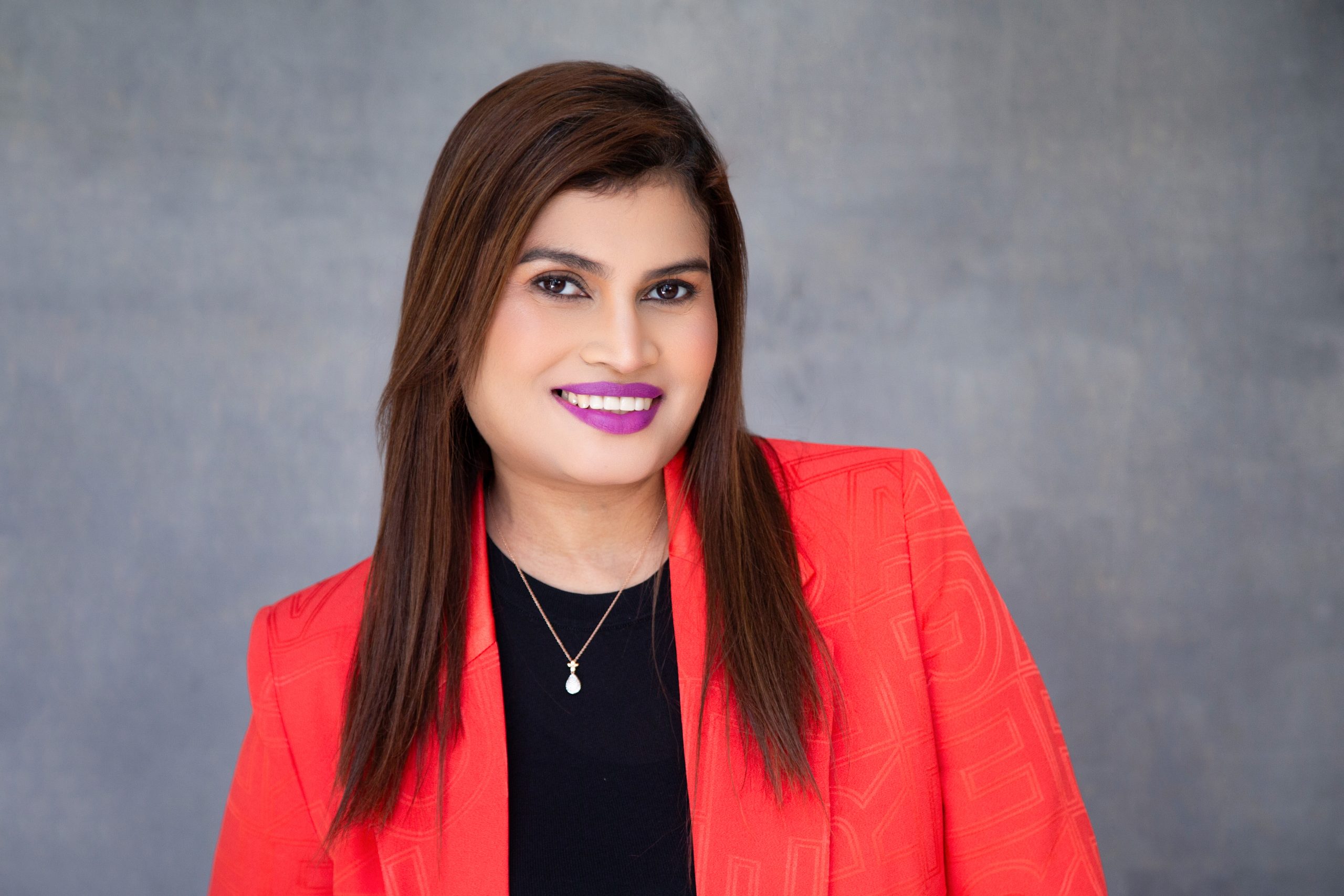
Dr. Prgati Grover, specialist gynaecologist, is determined to change that narrative.
With a career shaped by family legacy, personal experience, and a deep commitment to women’s well‑being, Dr. Prgati is emerging as one of the voices advocating for a more informed, compassionate, and proactive approach to menopausal health. Her mission is clear: to make women’s health a lifelong priority, not a phase‑based concern.
A Childhood Immersed in Medicine
Dr. Prgati’s journey into medicine began long before she stepped into a medical college. She grew up in a family where healthcare was not just a profession, it was a way of life. Her parents, her brother, and her sister are all doctors. Dinner table conversations often revolved around patients, treatments, and the ethics of care. Among these influences, her mother, a gynecologist, stood out as a powerful role model.
“Watching her dedication to women’s health was certainly inspiring,” Dr. Prgati recalls. Yet, despite this early exposure, she initially resisted the idea of following in her mother’s footsteps. After completing her MBBS, she was convinced that gynecology was too demanding, too intense, and too emotionally heavy.
But her father saw something she didn’t.
“He told me, ‘You’re a people person. You enjoy building long‑term relationships, and gynecology is the one specialty where you’ll truly become a part of your patients’ lives.’ He was absolutely right.”
That insight changed everything. Today, Dr. Prgati Grover describes obstetrics and gynecology as a field “filled with hope and happy endings,” a specialty that allows her to witness and support women through some of their most defining milestones—from adolescence and pregnancy to menopause and healthy aging.
A Personal Turning Point: Experiencing Perimenopause
While Dr. Prgati had spent years caring for women across different life stages—delivering babies, performing laparoscopic and gynecological surgeries, and managing complex obstetric and gynecological conditions —her own experience with perimenopause became a turning point in her professional focus.
“When I experienced perimenopause myself, I realized there was a significant gap in awareness and care for women at this stage of life,” she says. Despite being a doctor, she found herself navigating symptoms that were poorly discussed, often misunderstood, and frequently dismissed as “normal aging.”
This personal encounter opened her eyes to a troubling reality: millions of women suffer silently through menopause, unaware that effective treatment options exist. Many do not seek help because they assume nothing can be done. Others feel embarrassed or fear being judged. And in many cultures, menopause is still treated as a taboo topic—something to endure quietly rather than address openly.
This realization inspired Dr. Prgati Grover to dedicate her practice to menopausal health. Today, she focuses on evidence‑based care that includes hormone therapy, lifestyle interventions, and personalized treatment plans designed to improve a woman’s quality of life during and after menopause. “With the right combination of hormone therapy, lifestyle changes, and personalized care, we can make a remarkable difference to a woman’s health, confidence, and quality of life,” she emphasizes.
Breaking the Silence Around Menopause
One of the questions Dr. Prgati is often asked is why menopause remains so ignored, so under‑discussed, and so poorly understood—even in modern societies.
Her answer is straightforward: “Menopause has long been surrounded by silence, stigma, and misinformation.”
Historically, healthcare systems have prioritized fertility, childbirth, and reproductive health. Menopause, which marks the end of fertility, has been treated as a natural but unimportant transition. Women are told to “just deal with it,” even when symptoms disrupt their sleep, mental health, relationships, and daily functioning. Dr. Prgati believes this silence has cost women decades of comfort, confidence, and well‑being.
“Many women accept their symptoms as a normal part of aging and don’t seek help, while healthcare discussions have traditionally focused more on fertility than healthy aging,” she explains. “Thankfully, this is changing.”
She is part of a growing movement of specialists advocating for open conversations, better education, and accessible care. Her approach is rooted in empathy and empowerment — helping women understand that menopause is not an ending, but a transition that can be managed with dignity and support.
A Lifelong Approach to Women’s Health
If Dr. Prgati could change one thing in the global approach to women’s health, she says it would be this: “Make women’s health a lifelong priority—not just during pregnancy and childbirth.”
She believes that every woman deserves evidence‑based care at every stage of life, including menstrual health, fertility, menopause, and healthy aging. This holistic approach, she argues, is essential not only for individual well‑being but for the health of families, communities, and societies.
“When we invest in women’s health, we improve families, communities, and society as a whole,” she says. It’s a powerful reminder that women’s health is not a niche issue, it is a foundational pillar of social progress.
A Message to Young Women: Start Early
While Dr. Prgati’s current focus is on menopausal health, her advice for younger women is equally compelling. “My message to young women is simple: don’t wait until something is wrong to prioritize your health.”
She encourages young women to understand their bodies, stay active, eat well, manage stress, and maintain regular health check‑ups. Early investment in health, she says, is the best way to ensure a happier, healthier future.
This message reflects her broader philosophy: women’s health is not a crisis‑response system. It is a lifelong journey that requires awareness, care, and proactive choices.
Redefining the Future of Women’s Health
Dr. Pragati Grover’s work is more than medical practice—it is advocacy, education, and cultural transformation. By bringing menopause into the spotlight, she is helping women reclaim a stage of life that has been overshadowed by stigma and silence. Her journey, from a busy dedicated gynaecologist and obstetrician to a champion of menopausal health, illustrates how personal experience, professional insight, and deep empathy can reshape the future of healthcare.
In her words, “Menopause is a very important phase of life. By creating awareness and encouraging open conversations, we can ensure women receive the guidance and care they deserve.” Connect with Dr. Prgati Grover on Instagram.
And with specialists like Dr. Prgati Grover leading the way, that future looks brighter than ever.